Seasonal Roe Deer Weight Changes: A Dance of Gain, Loss, and Survival
The roe deer (
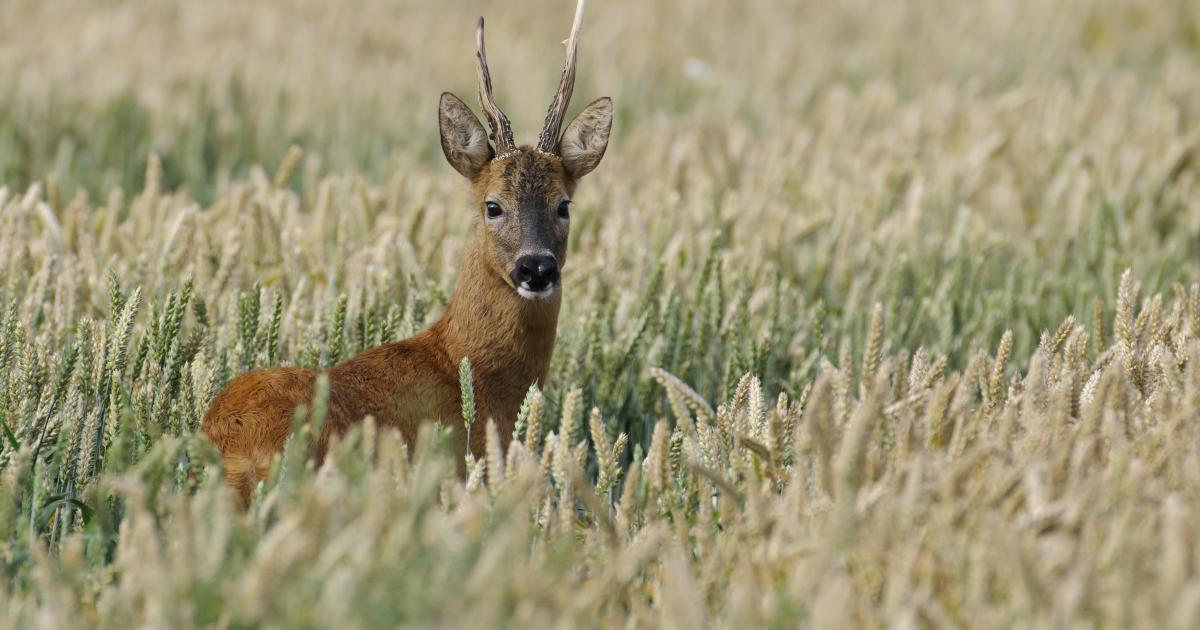
Capreolus capreolus) stands as Europe's smallest and most widespread deer species, a creature of remarkable grace and adaptability. While their delicate appearance, typically measuring between 107 to 127 centimeters in body length and 65 to 84 centimeters at the shoulder, suggests a consistent fragility, their body weight undergoes a fascinating and vital transformation throughout the year. Understanding the dynamics of
Reh Gewicht – the weight of a roe deer – is key to appreciating their survival strategies in a constantly changing environment. From lush spring pastures to the lean months of winter, these animals engage in a crucial physiological dance of gaining, losing, and meticulously managing their body mass to ensure their perpetuation.
The Dynamic Nature of Roe Deer Weight (Reh Gewicht)
The average weight of an adult roe deer is far from static, fluctuating significantly based on a myriad of factors. Generally, mature male roe deer typically range from 20 to 34 kilograms, while females are slightly lighter, usually falling between 17 and 29 kilograms. However, these are just averages, and individual animals can be observed anywhere from 10 to 35 kilograms depending on their age, health, and location.
Several critical elements influence these figures:
- Nutrition and Habitat Quality: The abundance and quality of available forage are paramount. Rich, diverse habitats provide better nutritional intake, leading to higher body mass.
- Geographic Location and Climate: As highlighted by regional data, significant variations exist. For instance, female roe deer in southwestern Spain average around 17.1 kilograms, whereas their northern Spanish counterparts might reach 23.2 kilograms. Norwegian female roe deer, living in a different climatic zone with potentially distinct forage, average an even higher 28.8 kilograms. These examples underscore how regional differences in climate, food availability, and even genetic adaptations shape the typical Roe Deer Weight: Averages, Influencing Factors & Regional Data.
- Age and Sex: Males generally grow larger and heavier than females, particularly as they mature. Younger deer are naturally lighter than fully grown adults.
- Health and Parasite Load: Animals burdened by illness or heavy parasite infestations will struggle to maintain weight, even with ample food.
These factors collectively dictate the baseline
Reh Gewicht, but it's the seasonal fluctuations that truly define their annual struggle for survival.
The Seasonal Cycle of Gain and Loss: A Blueprint for Survival
Roe deer are not merely browsers; they are strategic managers of their energy reserves, constantly responding to the rhythms of the seasons. Their annual weight curve is a direct reflection of food availability, reproductive demands, and the metabolic challenges of cold weather. A typical adult roe deer, weighing around 20 kilograms, requires a substantial 2 to 4 kilograms of green forage daily to sustain itself, a requirement that intensifies during periods of growth and reproduction.
Spring and Early Summer (March to July): The Period of Replenishment and Growth
The arrival of spring marks a critical turning point. As temperatures rise and sunlight lengthens, the landscape bursts forth with fresh, nutrient-rich vegetation. This period is characterized by intense weight gain for roe deer.
- Abundant Forage: New shoots, leaves, and herbs are highly digestible and packed with proteins and vital nutrients, allowing for rapid assimilation of energy.
- Antler Development: Males direct significant energy towards growing new antlers, a process requiring substantial resources.
- Gestation and Lactation: Females, often carrying twin fawns, need immense energy for pregnancy and, subsequently, lactation. The demand for milk production is enormous, making robust fat reserves crucial.
- Building Reserves: Both sexes, but particularly females, focus on building up critical fat reserves during this time. These early summer accumulations are not merely for immediate needs but serve as vital buffers for future energetic challenges.
This phase is a race against time, as the deer must maximize their intake to prepare for the energy-draining events ahead.
Mid-Summer (July to August): The Rutting Season and Energy Drain
The lushness of early summer gives way to the intense demands of the rut. The mating season transforms the usually cautious roe deer into animals driven by instinct, often at great physical cost.
- Intense Activity: Males become highly territorial, engaging in strenuous chases, elaborate courtship rituals, and sometimes physical altercations with rival bucks. Their focus shifts dramatically from feeding to breeding.
- Reduced Feeding: Due to the relentless activity and heightened vigilance, both males and females spend significantly less time foraging.
- Significant Weight Loss: For males, the rut is a period of dramatic weight loss, as the energy expenditure far outstrips their nutritional intake. The fat reserves painstakingly built in early summer are rapidly depleted. Females also experience some weight loss due to the stresses of mating and the continued demands of lactation.
This temporary setback in weight is a necessary sacrifice for reproduction, but it highlights the delicate balance between life's essential functions and physical well-being.
Autumn (September to Early November): Pre-Winter Fattening
As the rut subsides, roe deer enter another crucial period of weight gain – the pre-winter fattening phase. This second push for accumulation is arguably the most critical for their survival through the colder months.
- Renewed Foraging: With reproductive pressures eased, deer return to focused feeding, taking advantage of the autumn bounty.
- Energy-Rich Diet: Their diet shifts to include more energy-dense foods like berries, acorns, chestnuts, and roots, which provide concentrated calories for fat storage.
- Winter Reserves: The fat reserves accumulated during autumn are the primary fuel source that will sustain them through the lean winter months when food is scarce and metabolic demands for warmth are high. These reserves are not just for warmth but for basic cellular function and minimal activity.
A robust autumn
Reh Gewicht is the ultimate indicator of an individual's readiness for winter.
Winter (November to February): The Period of Scarcity and Survival
Winter presents the greatest challenge to roe deer survival. Food sources become scarce, covered by snow or frozen solid, and the energy required to simply stay warm is immense.
- Reduced Metabolism: Roe deer adapt by entering a state of semi-dormancy, reducing their activity levels and metabolic rate to conserve energy. This physiological adjustment helps to slow the rate of weight loss.
- Reliance on Reserves: Survival depends almost entirely on the fat reserves built during autumn. As these reserves are metabolized, the deer's weight steadily declines.
- Critical Threshold: There is a critical weight threshold below which survival becomes unlikely. Prolonged severe winters, deep snow, or insufficient autumn reserves can lead to starvation and mortality. Even if a deer survives, a very low body weight going into spring can impact reproductive success and overall health.
The weight lost during winter must be minimal enough to allow the deer to reach the next spring, when the cycle of replenishment can begin anew. This continuous ebb and flow of
how much a roe deer weighs is a testament to their remarkable resilience.
Beyond Weight: Factors Influencing Roe Deer Survival
While seasonal weight changes are a direct indicator of a roe deer's health and survival prospects, other interconnected factors also play a significant role:
- Habitat Quality and Connectivity: Access to diverse habitats offering both forage and shelter is crucial. Fragmented landscapes or monoculture farming can limit food choices and safe havens.
- Disease and Parasites: A healthy immune system is vital. High parasite loads or widespread diseases can severely weaken deer, reducing their ability to gain weight or withstand environmental stresses.
- Predation Pressure: While natural predators like wolves and lynx help cull weaker animals, human-related predation (e.g., road accidents) can impact even healthy populations.
- Human Disturbance: Frequent disturbances from humans, dogs, or machinery can stress deer, forcing them to expend valuable energy fleeing rather than feeding or resting, thereby negatively impacting their Reh Gewicht.
- Climate Change: Unpredictable weather patterns, such as severe, prolonged winters or extended droughts that impact forage availability, pose new threats to the delicate balance of their seasonal weight management.
Understanding these intricate relationships is vital for effective conservation efforts and sustainable wildlife management.
In conclusion, the seasonal weight changes of the roe deer are a compelling demonstration of nature's ingenious survival mechanisms. From the strategic accumulation of fat in spring and autumn to the challenging depletion during the rut and harsh winter, every kilogram gained or lost plays a critical role in their life cycle. Monitoring
Reh Gewicht offers invaluable insights into the health of roe deer populations and the overall well-being of their ecosystems, underscoring the delicate balance these graceful animals must maintain to thrive in the wild.