How Much Does a Roe Deer Weigh? Comprehensive Facts & Averages
The roe deer (Capreolus capreolus) is a quintessential symbol of European woodlands and open countrysides. Agile, elegant, and often elusive, these beautiful creatures are also the smallest native deer species in Europe. While their graceful movements and compact size are immediately apparent, a common question often arises for wildlife enthusiasts, hunters, and conservationists alike: "How much does a roe deer weigh?" The answer, as with many aspects of the natural world, is not a simple fixed number. Instead, the average weight of a roe deer is a dynamic figure influenced by a fascinating array of factors, from sex and age to geographical location, seasonal changes, and overall habitat quality.
Understanding the typical roe deer weight provides crucial insights into the health of local populations, the richness of their environment, and the challenges they face. In this comprehensive guide, we'll delve into the fascinating world of roe deer weight, breaking down the averages, exploring the critical factors that cause variation, and offering a deeper appreciation for these remarkable animals.
Understanding the Roe Deer: Europe's Smallest Deer
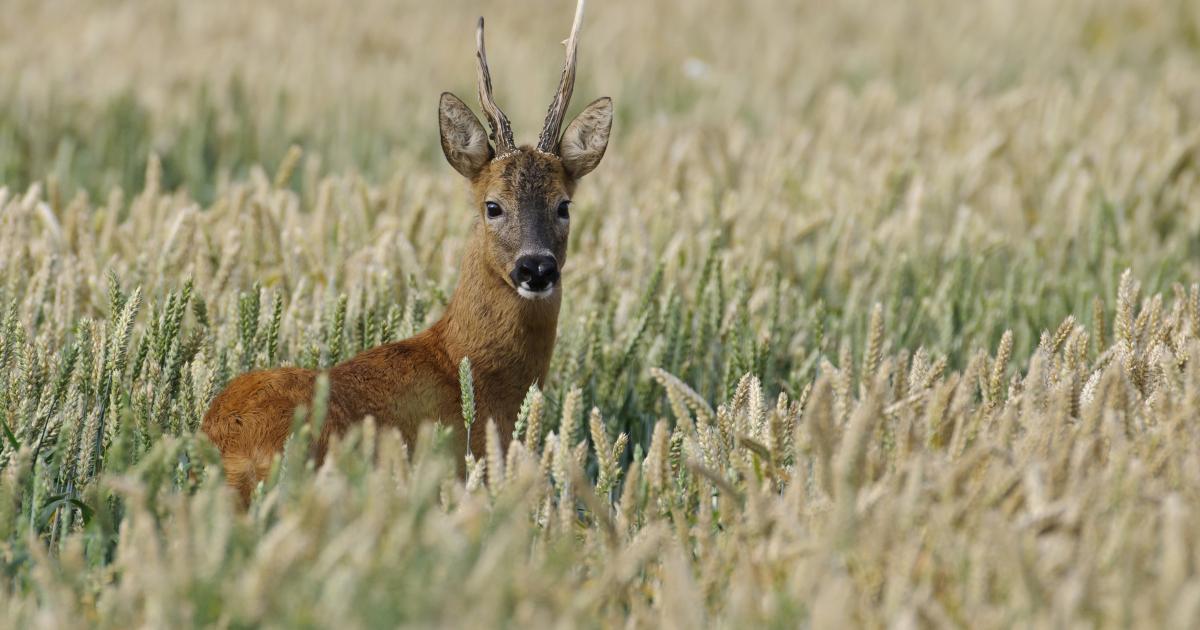
Before we dive into the specifics of their weight, it's worth appreciating the general characteristics of the roe deer. Often described as delicate and graceful, they are indeed the smallest members of the deer family on the continent. An adult roe deer typically stands at a shoulder height of 65 to 84 centimeters (approximately 25 to 33 inches) and has a body length ranging from 107 to 127 centimeters (about 42 to 50 inches). Their reddish-brown summer coat gives way to a duller grey-brown in winter, and they possess a distinctive white rump patch.
Despite their diminutive stature compared to their larger cousins like red deer or fallow deer, roe deer are incredibly resilient and adaptable, thriving in diverse habitats from dense forests to agricultural lands. Their weight is not just a biological metric; it's a vital indicator of their well-being and the ecological balance of their environment. For wildlife managers, monitoring the average roe deer weight in a given area can signal potential issues with food availability, disease, or population density.
What's the Average Roe Deer Weight? A Detailed Breakdown
When asking about the average roe deer weight, it's important to differentiate between sexes and acknowledge the broad range that exists. Generally speaking, the weight of an adult roe deer can fall anywhere between 10 and 35 kilograms (approximately 22 to 77 pounds).
- Male Roe Deer (Bucks): Adult males, often referred to as bucks, tend to be slightly larger and heavier than females. Their average weight typically ranges from 20 to 34 kilograms (44 to 75 pounds). This increased mass is partly due to their more muscular build and the energy reserves needed for the rut and antler growth.
- Female Roe Deer (Does): Adult females, or does, are generally more slender. Their weight usually falls between 17 and 29 kilograms (37 to 64 pounds). While lighter on average, their weight can fluctuate significantly, especially during pregnancy and lactation.
To put this into perspective, a large roe deer buck at the upper end of its weight range might be comparable to a medium-sized dog breed, like a Labrador Retriever, while a smaller doe could be akin to a Border Collie. Compared to a red deer, which can weigh well over 200 kg, or a fallow deer at 100 kg, the roe deer truly earns its title as Europe's smallest cervid.
Key Factors Influencing Roe Deer Weight
The numbers provided above are averages, and real-world weight can vary significantly. Understanding the factors behind these variations is key to appreciating the complexities of roe deer ecology.
Geographic Location and Climate
One of the most significant influences on roe deer weight is their geographical location, which directly correlates with climate and habitat quality. Roe deer inhabiting regions with abundant food resources and milder climates tend to be heavier than those in harsher environments.
- Regional Differences: For instance, in Spain, female roe deer in the southwest might average around 17.1 kilograms, while their counterparts in the richer northern regions could average 23.2 kilograms. This demonstrates how localized environmental conditions can lead to considerable weight disparities even within the same country.
- Northern Climates: In contrast, female roe deer in Norway, which often experience colder climates but potentially very specific and rich forest foraging, have been recorded with an average weight of 28.8 kilograms. This highlights that "harsh" doesn't always mean "low weight" if specific high-quality food sources are present or if a larger body size is an adaptive advantage in colder conditions.
Nutritional Status and Food Availability
Perhaps the most direct determinant of roe deer weight is their diet and the availability of nutrient-rich forage. Roe deer are selective feeders, preferring high-quality browse such as young shoots, leaves, herbs, berries, and grasses. They require a substantial amount of green matter daily.
- Daily Intake: An adult roe deer weighing approximately 20 kilograms needs to consume between two and four kilograms of green biomass per day to maintain its health and weight.
- Forage Quality: The nutritional value of this forage is crucial. Areas with diverse plant life and access to agricultural crops (where available) can support heavier, healthier individuals. Conversely, overgrazed areas or habitats with poor soil quality will likely result in lighter deer.
Age and Health
A roe deer's age plays a significant role in its weight. Fawns, of course, are much lighter, gradually increasing in size as they mature. Peak weight is typically reached in prime adulthood, usually between 2 and 6 years of age. Very old deer may start to lose weight as their teeth wear down and their overall health declines. Health status, including the presence of diseases or parasites, can also severely impact an individual's ability to forage effectively and maintain a healthy weight.
Seasonal Fluctuations
Roe deer exhibit remarkable seasonal weight changes, which are crucial for their survival. These fluctuations are directly linked to food availability, breeding cycles, and the need to build up energy reserves for challenging periods.
- Weight Gain: From spring to early summer (March to July) and again in autumn (early September to early November), roe deer experience significant weight gain. During these periods, lush vegetation is abundant, allowing them to accumulate fat reserves. The reserves built in spring and early summer are essential for enduring the energy-intensive rut.
- Weight Loss: The breeding season, or rut, in July and August, is a period of intense activity for bucks, leading to considerable weight loss. Does also experience energy drains from pregnancy and lactation. Furthermore, the reserves accumulated in autumn are vital for surviving the lean winter months when food is scarce and energy is expended to stay warm. The ability of a roe deer to gain sufficient weight in autumn is often a direct predictor of its survival through winter.
Why Does Roe Deer Weight Matter? Beyond Just Numbers
The weight of a roe deer is far more than just a biological curiosity; it's a critical metric with wide-ranging implications for conservation, wildlife management, and even ecological research.
- Indicator of Habitat Health: Healthy, heavier roe deer generally indicate a robust and productive ecosystem with ample food resources and suitable cover. Conversely, consistently low average weights in a population can signal habitat degradation, overpopulation, or environmental stress.
- Wildlife Management and Conservation: For conservationists and wildlife managers, monitoring roe deer weight helps in assessing population health and making informed decisions about population control, habitat improvement, or disease prevention. A population struggling with low weights might require intervention to thin out numbers or enhance food sources.
- Hunting and Trophy Quality: In areas where roe deer are hunted, weight is a significant factor. Heavier bucks are often considered more desirable, and their overall condition can also be an indicator of antler quality. Responsible hunting practices often involve assessing the health and age of individual animals.
- Reproductive Success: Does that can maintain a healthy weight are more likely to successfully conceive, carry fawns to term, and produce viable offspring. Poor nutritional status directly impacts reproductive output and, consequently, the long-term viability of the population.
Conclusion
The question of "How much does a roe deer weigh?" opens a window into the intricate lives of these fascinating animals. While an adult roe deer typically ranges from 10 to 35 kilograms, with males generally heavier than females, these averages are merely starting points. The true story of a roe deer's weight is written by its environment – the richness of its local habitat, the challenges of the changing seasons, the availability of nourishing food, and its own individual health and age. By understanding these dynamic influences, we gain a deeper appreciation for the resilience of the roe deer and the delicate balance of the ecosystems they inhabit. Every kilogram, every gram, tells a story of survival, adaptation, and the interconnectedness of nature.